By Oakridge Chiropractic and Wellness Centre
•
July 7, 2026
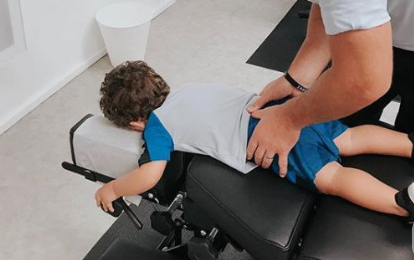
Summer in Calgary brings longer days, outdoor adventures, and a fresh energy to enjoy local favorites like hiking in the Rockies, biking around the Glenmore Reservoir, or attending Stampede celebrations. But for many Calgarians, summer fun can be interrupted by nagging back pain. Whether it’s from increased activity, yardwork, travel, or even long hours at festivals, back discomfort and injuries often spike this time of year. At Oakridge Chiropractic and Wellness Centre, we believe life’s too short to be slowed down by pain. Here’s how you can keep your back healthy all summer long with expert advice from our Calgary chiropractors . Why Does Summer Back Pain Happen More Often? The warm months encourage us all to get outside, but changes in your routine can stress your spine and muscles. Common local causes of summer back pain include: Sudden increase in physical activity, like hiking, sports, or golf Poor lifting technique with gardening, landscaping, or moving patio furniture Long drives to destinations like Banff, Lake Louise, or nearby campgrounds Sleeping on unfamiliar beds or camping mattresses Dehydration and heat, which can impact muscle function and recovery Understanding the reasons behind your back discomfort is the first step to avoiding it. Chiropractic care focuses not only on providing immediate pain relief but also on uncovering the root causes, so you can get back to enjoying Calgary’s best months. Top Tips to Protect Your Back This Summer Get Moving—But Ease Into Activity After a winter of limited outdoor activity, your body might not be ready for intense summer adventures. Calgary chiropractors recommend: Gradually increasing exercise intensity over several weeks Including warm-ups and gentle stretches before biking, golfing, or hiking Building core strength with exercises recommended by your chiropractor or performance specialist Staying hydrated, especially during hot Alberta afternoons Protect Your Back During Yardwork and Gardening Yardwork is a summer staple in neighborhoods like Oakridge, Braeside, and Palliser. But repetitive bending or lifting heavy bags can strain your lower back. Here’s how to minimize the risk: Use correct lifting techniques: bend at the knees, not the waist Avoid twisting while lifting or carrying Take frequent breaks and switch activities often Consider using ergonomic gardening tools and knee pads Travel Smart to Reduce Back Strain Road trips to the mountains or camping getaways are a summer highlight for many Calgarians, but hours of sitting can tighten hip flexors and strain your back. Instead: Take stretch breaks every hour during long drives Support your lower back with a rolled towel or travel pillow Adjust car seats to promote upright posture with both feet flat on the floor Pack light, lifting suitcases with your legs, not your back How Oakridge Chiropractic and Wellness Centre Can Help You Stay Pain-Free Oakridge Chiropractic and Wellness Centre offers a comprehensive approach to musculoskeletal health, combining chiropractic adjustments, massage therapy, Active Release Techniques (ART), and Graston Technique for effective relief and prevention. If you’re dealing with recurring or acute summer back pain, our individualized treatment plans are designed to get you back to the activities you love. Our services for back pain relief include: Chiropractic assessment and adjustments to restore spinal alignment Soft tissue therapies such as ART and massage to reduce muscle tension Personalized recommendations for exercise, posture, and ergonomics Acupuncture and shockwave therapy for chronic pain conditions Custom orthotics if foot imbalances are contributing to your back pain Prevention Strategies for an Active Calgary Summer Explore these proactive steps to minimize future discomfort and maximize your enjoyment: Book a preseason chiropractic assessment to identify potential issues Incorporate routine massages for muscle recovery and stress reduction Follow a stretching and strengthening plan tailored to your specific needs Ask your chiropractor about supportive taping (kinesiotaping) or orthotics for long walking or standing events like the Calgary Stampede or market days When to See a Calgary Chiropractor Prompt attention by a local professional can quickly resolve minor concerns before they become major problems. Seek care if you experience: Pain lasting more than a few days or worsening with activity Numbness, tingling, or weakness in your legs Difficulty with walking, balance, or daily function Previous back injuries that flare up with summer activities Oakridge Chiropractic and Wellness Centre is conveniently located in the Oakridge Professional Building, serving Oakridge and surrounding Calgary communities including Braeside, Palliser, Cedarbrae, and beyond. Our team provides professional, compassionate care with a strong focus on helping active Calgarians live life to the fullest. Ready to Enjoy a Pain-Free Summer? If you want to beat summer back pain and stay active all season, book an appointment with Oakridge Chiropractic and Wellness Centre today. Our experienced Calgary chiropractors and wellness team are here to help you move, play, and live without discomfort—because you deserve to make the most of every sunny day. Contact us now to start your journey towards a healthier, pain-free summer!